The most common threats that FinTech companies face include the following, which are all cybersecurity-related as FinTech companies deal with financial information, digital payments, API, and customer identity.
With FinTech innovation revolutionising the way we bank, invest, pay, and manage our money, there is an ever-increasing concern about the associated cyber risk with digital growth. As the application of FinTech sector processes our personal data, financial transactions, and global integrations, they have become an attractive target for cyber attackers.
From exploiting application programming interface application weakness to credential theft and business logic attacks, the modern cyber landscape requires FinTech companies to be proactive about security.
In this blog, we will walk through the most common threats that FinTech companies are facing today, their significance, and how our mobile application security solution helps FinTech companies stay ahead of the game.
Why FinTech is a Target for Cyber Threats
FinTech application are not just any other applications, they are the pillars of trust
Where the following are handled:
- Account credentials
- Sensitive financial transactions
- API communications between services
- Regulatory compliance boundaries
Cyber attackers are aware that if they succeed in penetrating FinTech applications, the reward is huge, ranging from financial theft to the sale or credentials and destruction of company reputations.
However, the complex systems and the ever-changing regulatory compliance landscape such as PSI DSS and GDPR add level of complexity. FinTech security is not something that can be done after the applications and systems have been developed rather, it must be embedded into the entire lifecycle.
Top Security Threats for FinTech Companies
The following is a list of the top security threats FinTech companies face today:
- Account Takeovers (ATO)
With the help of credential stuffing attacks, phishing attacks, and brute-force attacks, attackers can take over user accounts. This is a disaster waiting to happen.
- Broken Access Control
When FinTech applications do not have the right access controls, attackers get the opportunity to escalate privileges and access other user accounts and perform any action they want on the applications.
- Cloud Misconfigurations
Open cloud storage buckets or weak IAM roles allow attackers to gain access to the systems very easily.
- Phishing & Social Engineering
Directly targeting users, attackers use phishing and other techniques to bypass the security provided by MFA.
- Insider Threats
Access by employees or other individuals can compromise the data or security of the system unintentionally or intentionally.
- Business Logic Abuse
Faulty business logic, such as couponing, money transfer, or account registration, can be abused for monetary gain.
How Quixxi Enhances the Security of FinTech Mobile App
Quixxi ensures the security of FinTech mobile apps from sophisticated and changing cyber threats. In the FinTech sector, establishing trust and ensuring the security of sensitive information are critical. Quixxi, therefore, ensures the security of mobile apps at all levels, from code to runtime to backend communication.
Advanced App Protection
Quixxi protects mobile apps from:
- App tampering
- Data theft
- Runtime attacks
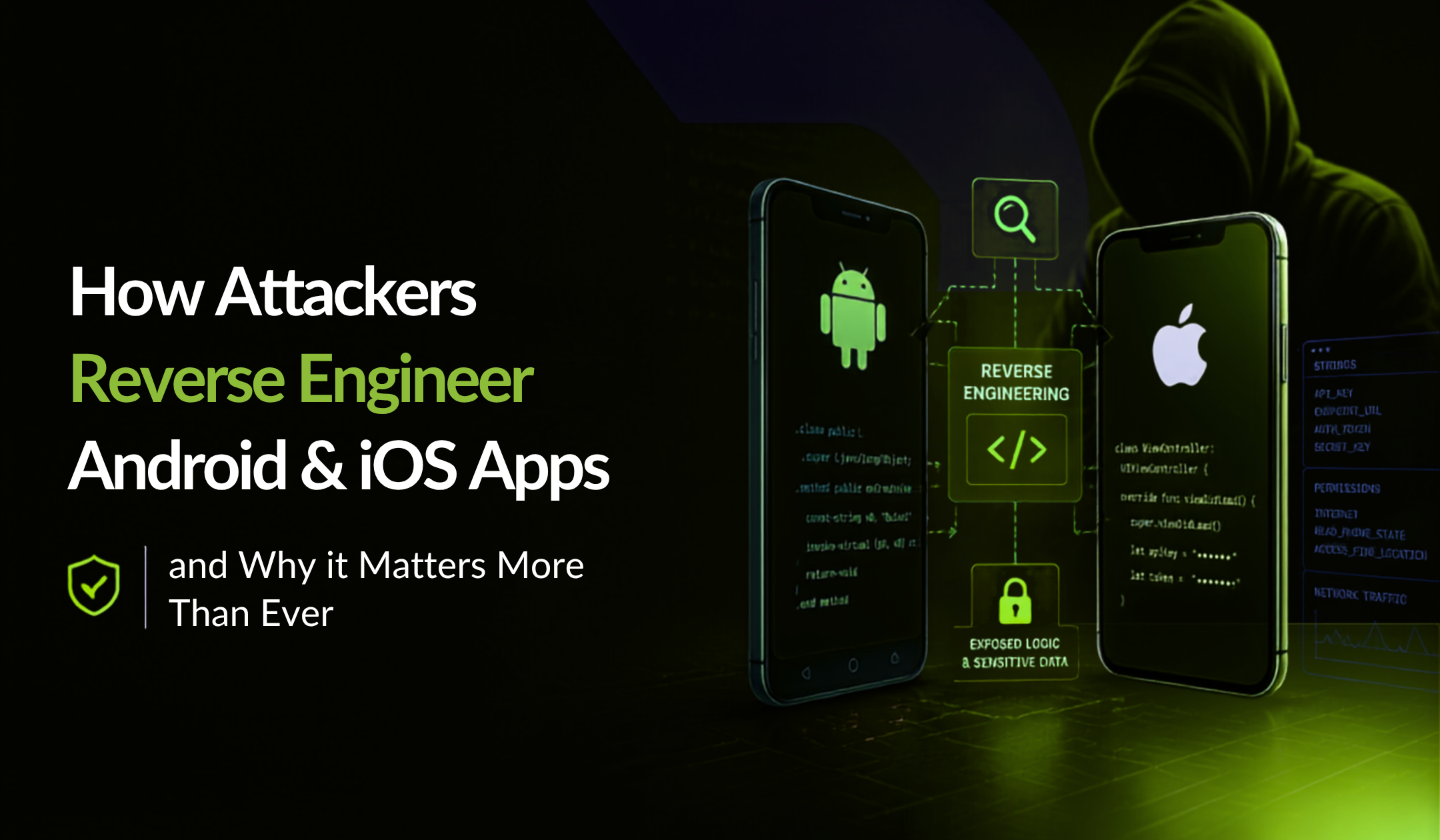
Through app shielding and code obfuscation, Quixxi ensures that attackers are unable to intercept sensitive information such as:
- API keys
- Encryption algorithms
- Financial information
This ensures the security of your intellectual property and sensitive customer information.
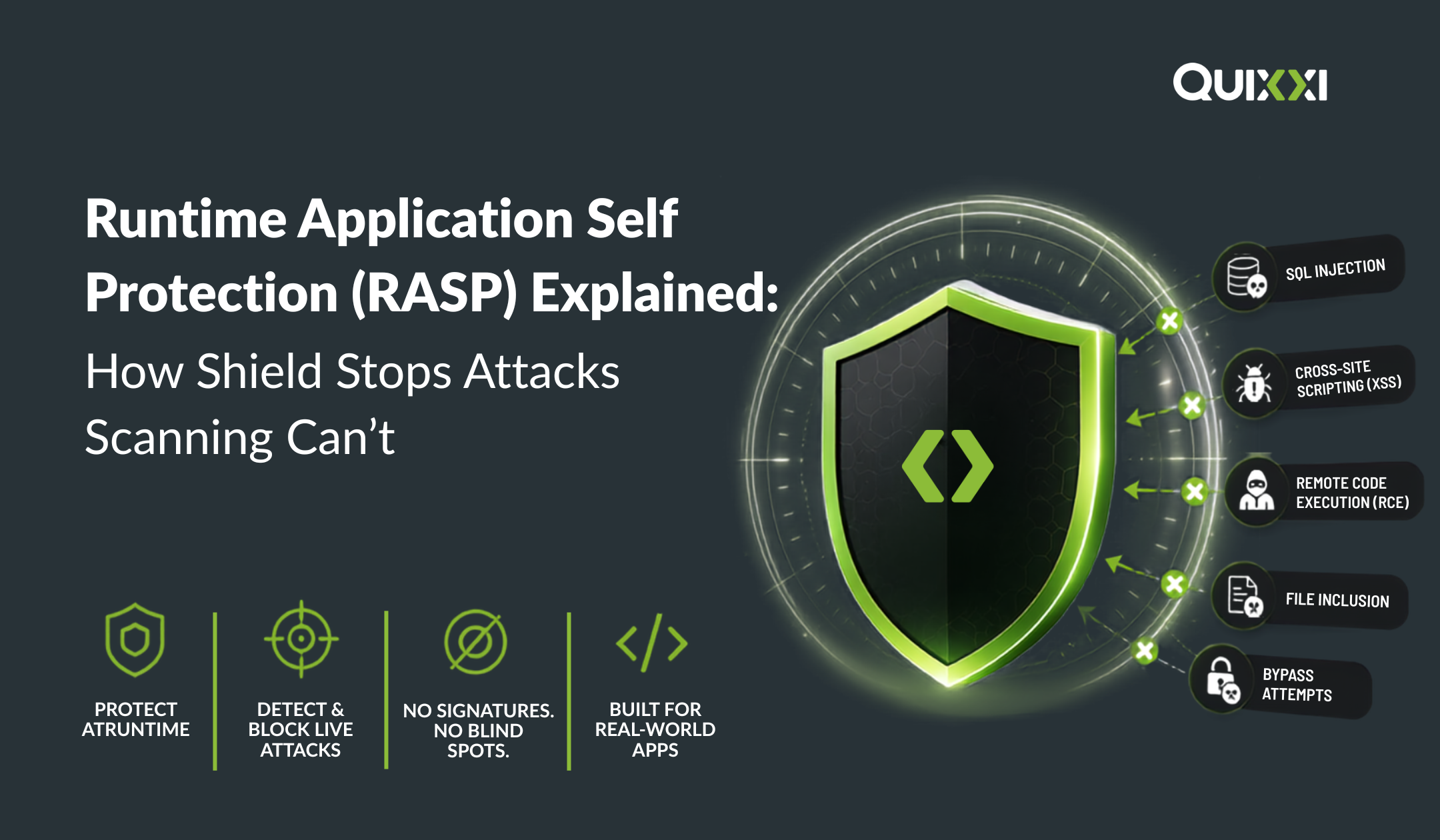
Runtime Application Self-Protection (RASP)
Quixxi’s RASP feature protects the app at runtime. RASP can:
- Detect rooted or jailbroken devices
- Block the use of dynamic instrumentation tools
- Prevent malware and unauthorised code execution in real time
- Stop app repackaging and fake app distribution
This ensures the integrity of the app, thereby ensuring the security of users from fraud, account takeover, and fake app usage.
API Attestation & Secure Backend Access
Quixxi offers API Attestation, where API calls are validated to originate only from genuine, untampered, and trusted mobile app instances.
This ensures attackers cannot:
- Using modified apps
- Deploying bots
- Access backend services from untrusted sources
The ensures secure communication between the mobile app and FinTech servers.
Strong Security Without Performance Impact
Quixxi offers:
- Hardened apps
- Runtime protection
- API Attestation
This enables FinTech organisations to:
- Ensure secure financial transactions
- Protect customer information
- Prevent fraud
- Comply with regulations like OWASP & PCI DSS
All this without any impact on app performance or user experience.
Best Practices for Mitigating FinTech Security Risks
The following security practices are to be followed by FinTech firms:
- Embed Security into the SDLC
Integrate security testing, including static, dynamic, and automated security tests.
- Enforce Strong Authentication
Use multi factor authentication and phishing resistant models to secure user access and protect against credential theft.
- Monitor & Log Activity
Utilise real-time logging and centralised monitoring to quickly identify security threats.
- Educate Users & Staff
Security training helps to avoid common mistakes like sharing credentials and falling prey to social engineering attacks.
- Vet Third Party Components
Regularly scan and patch third-party libraries, avoiding outdated ones that contain known security vulnerabilities.
Conclusion
The cyber threats that FinTech companies are facing today are complex and dynamic in nature and could have catastrophic consequences if not checked.
From API vulnerability to account takeover attacks, cyber threats are widespread in FinTech companies, and traditional security measures are not sufficient to protect FinTech apps from these attacks. With solutions such as Quixxi’s automated mobile app security platform, organisations can now have more confidence in their app’s security posture.