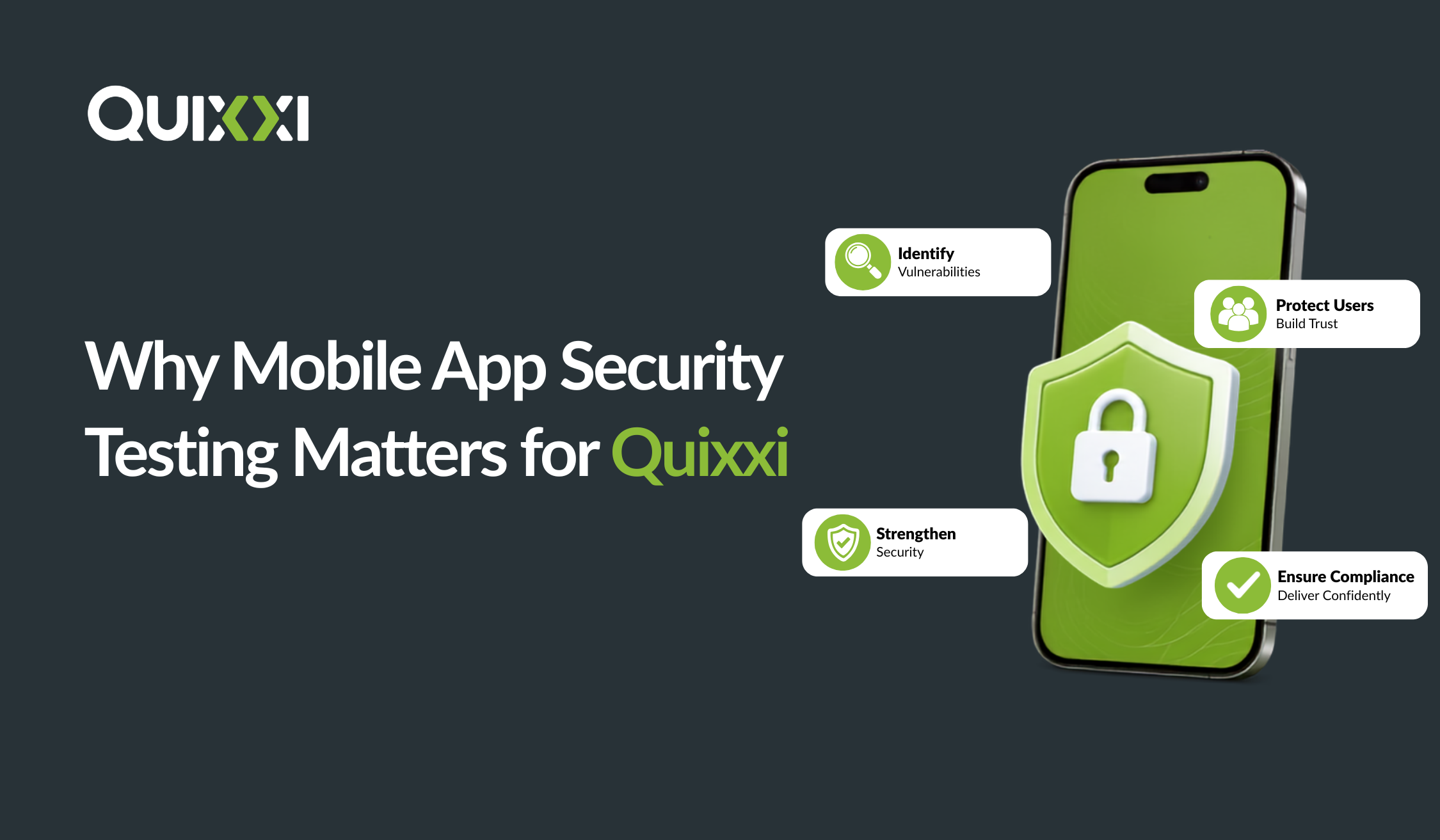
Why Mobile App Security Testing Matters
Mobile applications have become essential for business platforms. From fintech and healthcare to retail, gaming, and government services, organisations rely on mobile apps to deliver customer experiences, process sensitive information, and support critical business operations.
However, building a successful mobile application does not always mean building a secure one. Security vulnerabilities can exist across application code, APIs, data storage, authentication processes, and runtime environments. Without proper mobile app security testing, these weaknesses may remain hidden until an application has been released.
According to the NowSecure OWASP MASVS Benchmark Report, an analysis of approximately 6,500 popular mobile applications found that 95% failed to meet at least one requirement of the OWASP Mobile Application Security Verification Standard (MASVS).
Source: NowSecure, OWASP MASVS Benchmark Report https://info.nowsecure.com/OWASP-MASVS-Benchmark-Report-Download.html
The research highlights a key challenge for modern development teams: an application can be functional, widely adopted, and still contain security risks. Effective mobile security requires more than a final security review. Organisations need continuous testing, protection, and monitoring throughout the application lifecycle.
What does failing a mobile app security test look like?
Mobile security issues are often hidden behind normal application functionally. Some of the most common vulnerabilities include:
Insecure data storage
Mobile apps frequently store information locally to improve performance. However, sensitive data such as user details, authentication tokens, and financial information can become exposed if storage is not properly protected.
Common examples include:
- Unencrypted databases
- Sensitive files stored incorrectly
- Exposed session information
For industries handling sensitive data, these vulnerabilities can create significant privacy and compliance risks.
Hardcoded secrets and API keys
Developers may unintentionally include sensitive information directly inside application code, such as:
- API keys
- Authentication credentials
- Encryption keys
Once an application is distributed, attackers can analyse the application package and attempt to extract these secrets. Automated security testing helps teams identify these risks before applications reach production.
Weak communication security
Mobile applications depend heavily on APIs and backend services. If communication channels are not properly secured, attackers may attempt to intercept sensitive information.
Common issues include:
- Weak SSL/TLS configurations
- Poor certificate validation
- API security weaknesses
Secure communication is essential for protecting modern mobile applications.
Reverse engineering and application tampering
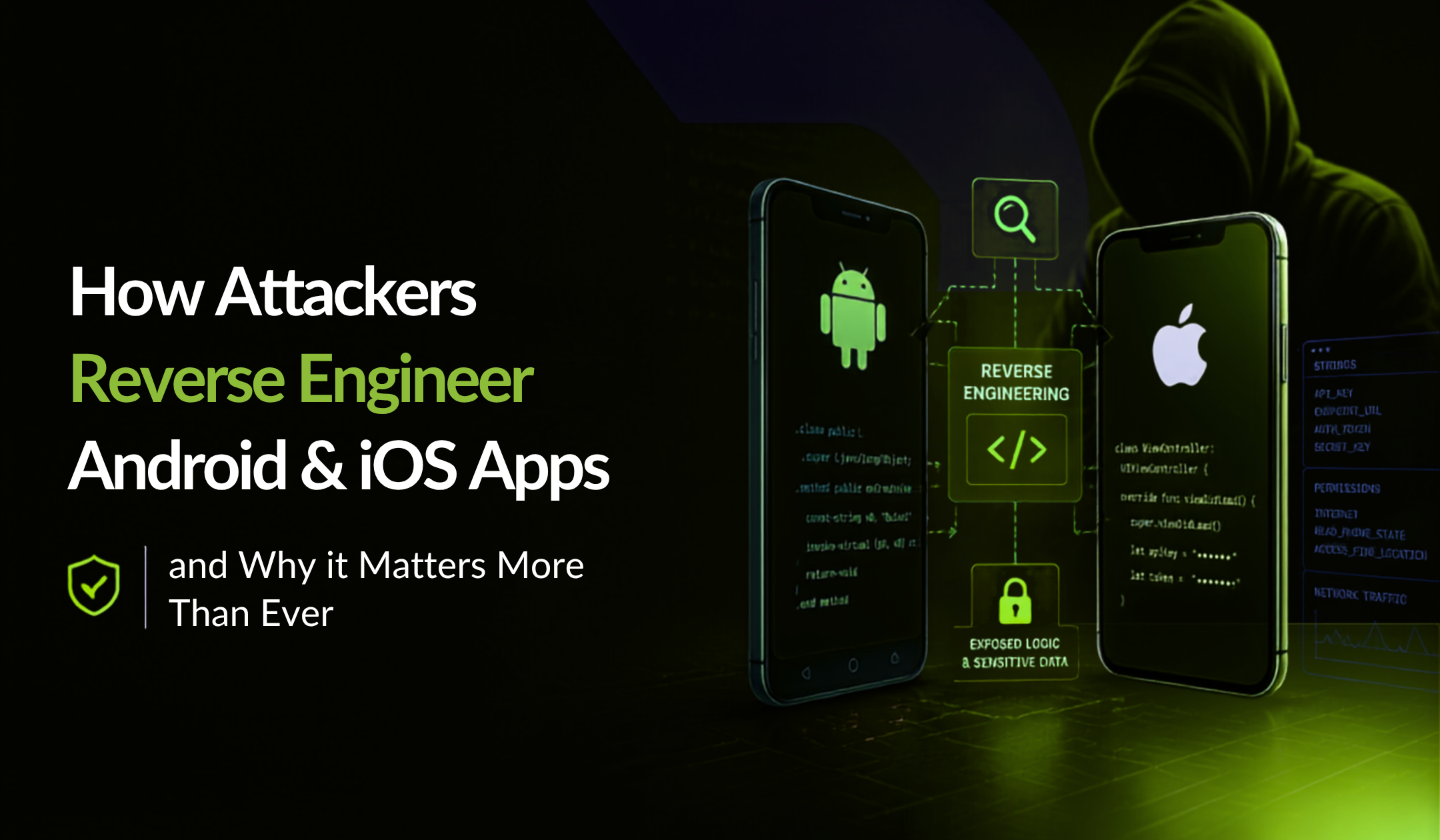
Unlike traditional software, mobile applications are publicly distributed and can be analysed by attackers. Without additional protection, applications may be vulnerable to:
- Reverse engineering
- Code analysis
- Unauthorised modifications
- Intellectual property theft
For businesses where applications represent valuable technology assets, protection after deployment is just an important as testing before release.
Why do mobile apps fail security testing?
Mobile security failures often happen because security is treated as a separate activity rather than part of development.
Security is added too late
Development teams are often focused on delivering features and meeting release deadlines. As a result, security testing may happen only near launch. This creates challenges because vulnerabilities discovered late are usually:
- More expensive to fix
- More disruptive to release
- Harder to manage
Security is most effective when integrated throughout the software development lifecycle.
Manual testing does not always scale
Traditional penetration testing remains valuable, but modern organisations often manage multiple applications and frequent updates. Continuous development requires security solutions that can provide faster feedback without slowing delivery.
Limited AppSec resources
Many organisations have experienced developers but limited dedicated application security teams. Automated testing tools help development teams identify vulnerabilities earlier without requiring every engineer to become a security specialist.
What should mobile app security testing cover?
A strong mobile app security testing strategy should evaluate risks across the entire application lifecycle. The OWASP Foundation Mobile Application Security Verification Standard (MASVS) provides a recognised framework for assessing mobile security requirements.
Key areas include:
- Secure data storage
- Cryptography
- Authentication and authorisation
- Network communication
- Platform interaction
- Code quality
- Protection against tampering and reverse engineering
The OWASP Mobile Top 10 also highlights common mobile security risks organisations should consider when developing and maintaining applications.
For regulated industries, security testing supports broader security and compliance efforts, including:
- GDPR data protection requirements
- PCI DSS payment security requirements
- Industry-specific cybersecurity expectations
Security testing does not guarantee compliance on its own, but it provides an important foundation for managing application risk.
How Quixxi helps secure mobile applications
Mobile security requires protection before, during, and after deployment.
Quixxi provides an integrated mobile application security platform built around three capabilities: Scan – Shield – Supervise
1.Quixxi Scan: Discover vulnerabilities earlier
Finding vulnerabilities early reduces security risks and development costs. Quixxi scan helps teams identify application weaknesses through automated security testing, including:
SAST (Static Application Security Testing)
Analyses application code to identify security vulnerabilities during development.
DAST (Dynamic Application Security Testing)
Tests applications while running to identify vulnerabilities that may appear during execution.
API Security Testing
Helps organisations identify risks within application communication layers. By automating security testing, teams can move from reactive security reviews to proactive vulnerability management.
2.Quixxi Shield: Protect applications after release
Identifying vulnerabilities is only one part of mobile security. Applications remain exposed after deployment, making protection against tampering and reverse engineering essential.
Quixxi shield helps protect applications against:
- Reverse engineering attempts
- Unauthorised modifications
Powered by patented application protection technology, Quixxi Shield provides an additional security layer for organisations protecting valuable mobile applications.
3.Quixxi Supervise: Maintain security visibility
Security risks continue after an application is launched. Quixxi Supervise helps organisations maintain visibility through runtime threat monitoring and a unified dashboard. This allows teams to better understand application security posture and respond as applications evolve.
Secure Your Mobile Application Before Risks Become Business Problems
Mobile security should not be treated as a final step before launch. As mobile applications become increasingly connected and business critical, organisations need security strategies that cover the complete lifecycle from development and testing through deployment and monitoring. Quixxi helps businesses strengthen mobile application security through automated testing, application protection, and continuous visibility.