
Cybercrime is projected to cost the world $10.5 trillion annually by 2025 (Cybersecurity Ventures). With over 2,200 cyberattacks happening every day, the question is no longer if your organization will be targeted — it’s when. Prevention from cyber attacks is no longer optional; it’s a business survival strategy.
You must have read about the recent outbreak of WannaCry ransom ware that has affected thousands of individuals and companies worldwide. The malicious program was designed to block access to data and you need to pay a ransom to unlock it, their major target being the financial sector.
This is just one example of the threats that you are exposed to every single day. Which brings us to today’s discussion. How big a part your Cyber security habits play in preventing such kind of attacks?
The answer is obvious.
When you consider the fact that there has been a 937% increase in records stolen from the financial sector in 2016, you definitely need to step up your Cyber security game.
Types of Cyber Attacks You Must Defend Against
- Phishing & Spear Phishing — Deceptive emails targeting employees or executives
- Ransomware — Malicious encryption of data for financial extortion
- Man-in-the-Middle (MitM) Attacks — Intercepting communication between two parties
- SQL Injection — Exploiting database vulnerabilities in web apps
- Zero-Day Exploits — Attacks targeting unknown software vulnerabilities
- DDoS Attacks — Overwhelming servers to disrupt services
- Mobile App Threats — Reverse engineering, tampering, and credential theft via mobile apps
Why do hackers choose finance?
The primary aim of the hackers is to steal information and personal data which can be manipulated directly or indirectly to make money. And since, the financial sector has money written all over it, it is an obvious choice for the hackers.
Banks are the target most of the times, mobile banking apps to be specific. A malicious program introduced on your mobile device can capture and transmit your secure login credentials or your credit card information to the hackers easily, if you are not careful. Most common technique used to do this is by phishing emails.
If not emails, the mobile banking apps can be infected with a malicious program that can capture your personal information and transmit it to the hackers. The worst part is, you will completely be unaware of what hit you until it’s too late.
Stealing identities and committing fraud is what most hackers are in it for.
10 Best Practices for Prevention from Cyber Attacks
- Keep Software & Systems Patched — WannaCry exploited an unpatched Windows vulnerability. Timely updates are your first defense.
- Use Multi-Factor Authentication (MFA) — Adds a critical layer beyond passwords.
- Encrypt Sensitive Data — Both in transit and at rest.
- Conduct Regular Security Audits — SAST, DAST, and penetration testing for apps.
- Train Employees Continuously — Simulated phishing drills, not just annual lectures.
- Implement Zero Trust Architecture — “Never trust, always verify.”
- Secure Your Mobile Applications — App shielding, runtime protection (RASP), anti-tampering.
- Back Up Data Regularly — Follow the 3-2-1 backup rule.
- Monitor Network Traffic in Real Time — Use AI-driven threat monitoring tools.
- Develop an Incident Response Plan — Know exactly what to do when an attack occurs.
How to prevent these attacks?
This is one of the very basic but effective ways to prevent cyber attacks. Most of the times it is the ignorance of employees that results in them opening a malicious email attachment or accessing questionable websites. A mandatory cyber security training for the new employees as well as a periodic refresher for the existing one’s should be incorporated in the company’s policy.
Minimize insider threats
Believe it or not, insider threats account of 58% of the attacks than outside one’s which account for 42%. Best way to minimize insider threats is by restricting employee access to resources by using access controls. This ensures that individuals can only access the resources that they are supposed to.
Leverage AI and Machine Learning
AI and machine learning techniques can be used to identify and block malicious emails, suspicious website URL’s as well as infected files.
Prevention from Cyber Attacks for Mobile Apps
This is a natural fit for Quixxi’s expertise:
Mobile applications are one of the fastest-growing attack surfaces. With over 6.8 billion smartphone users globally, attackers increasingly target mobile apps to steal credentials, inject malicious code, or perform reverse engineering.
Key mobile-specific prevention strategies:
- Static Application Security Testing (SAST) to catch vulnerabilities in source code
- Dynamic Application Security Testing (DAST) during runtime
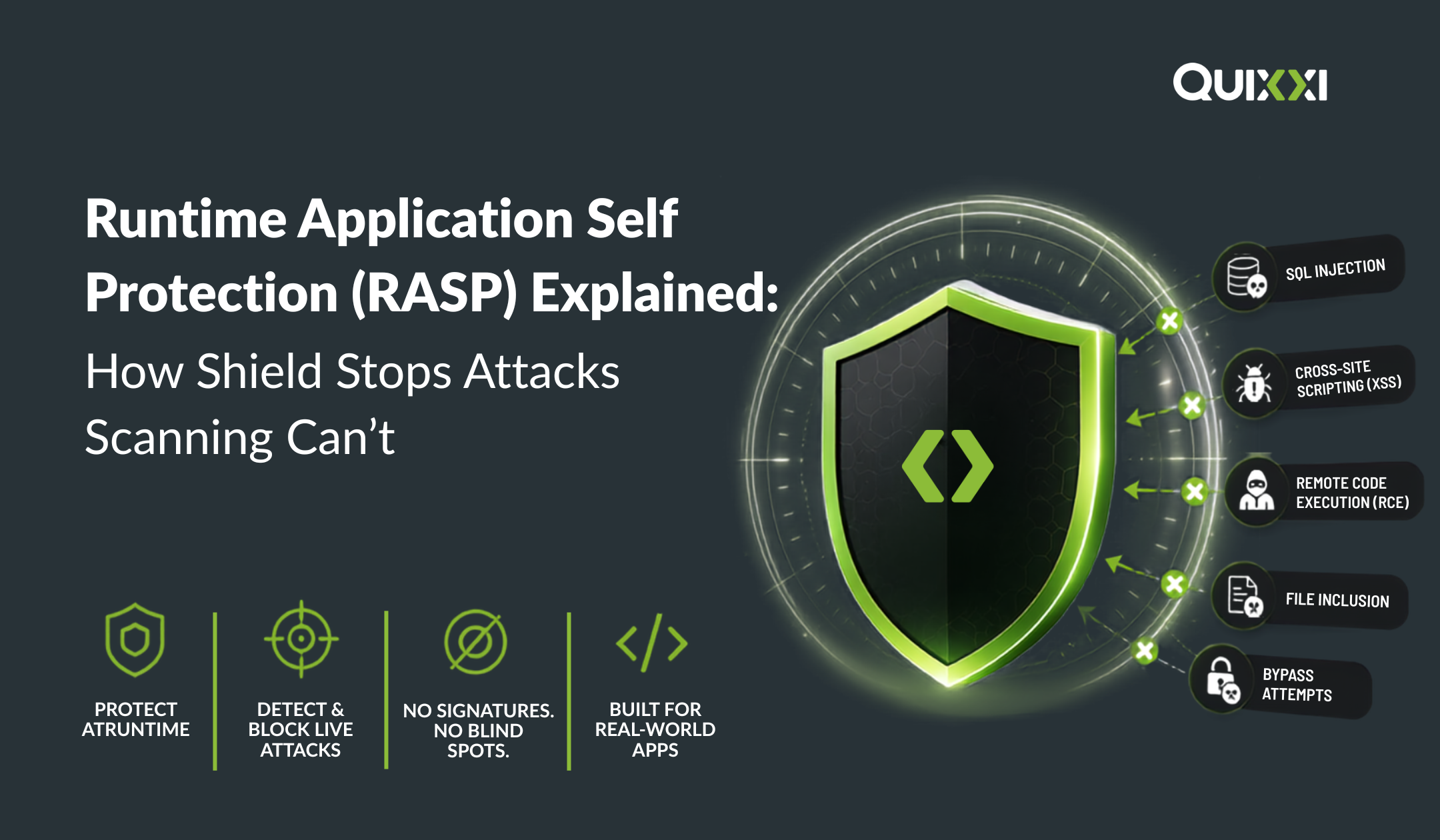
- Runtime Application Self-Protection (RASP) to block attacks in real time
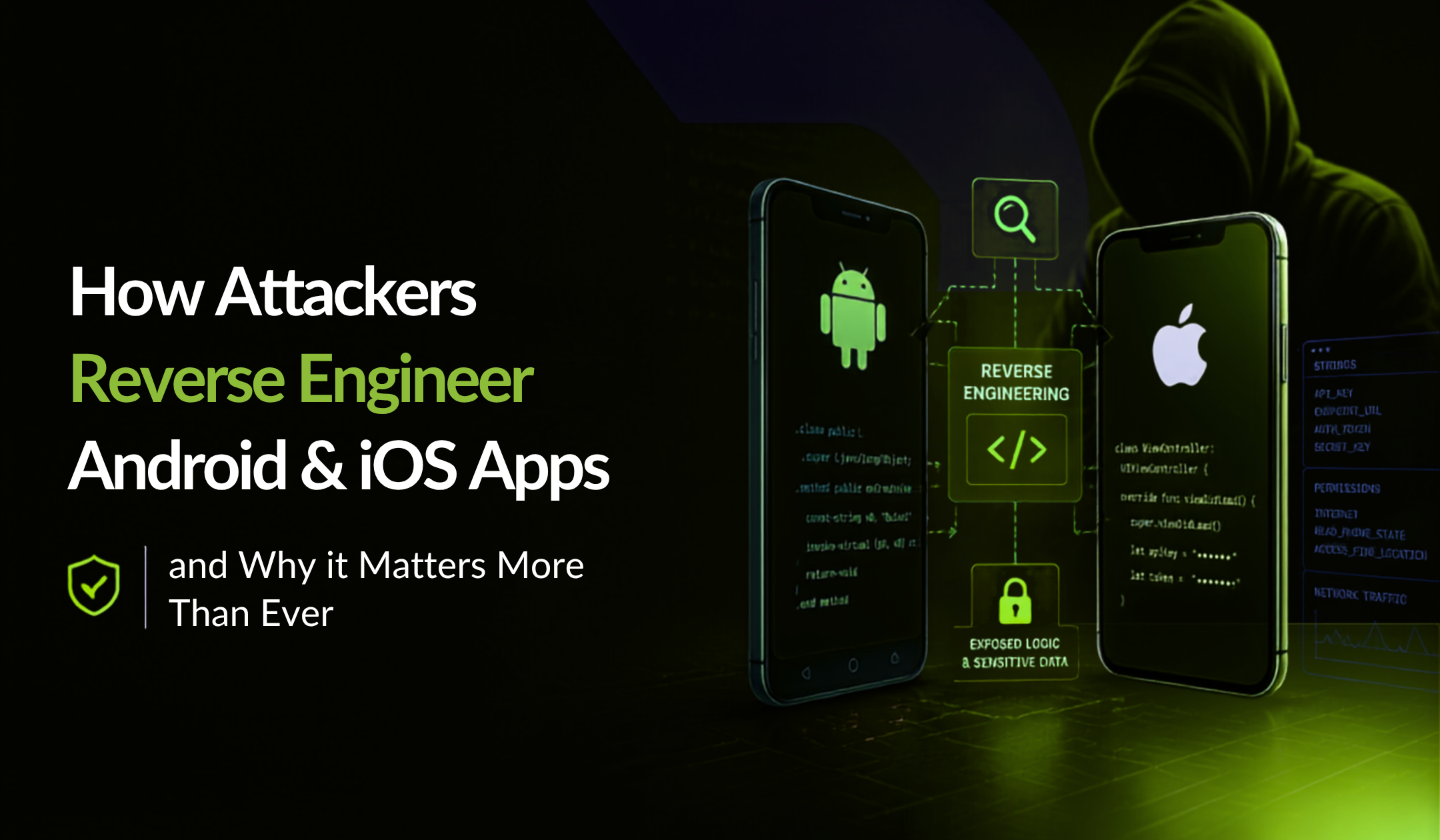
- App hardening and binary protection to prevent reverse engineering
- API security scanning to protect backend communication